Wondering whether Harvest Creek is a smart place to buy an investment property in Bozeman? You are not alone. Many buyers are drawn to this neighborhood because it offers single-family homes, practical amenities, and a location within Bozeman that can appeal to long-term renters. The key is to look past surface-level appeal and underwrite the numbers carefully. In this guide, you will get a grounded look at what makes Harvest Creek attractive, where the risks are, and how to think about it as a long-term hold. Let’s dive in.
Why Harvest Creek Gets Investor Attention
Harvest Creek is a single-family-home subdivision in Bozeman with 525 residences, according to the Harvest Creek HOA. The neighborhood includes a city-owned playground, basketball court, and walking trails that connect to the Main Street to the Mountains system. The HOA also notes its proximity to shopping, downtown, the airport, and other daily conveniences.
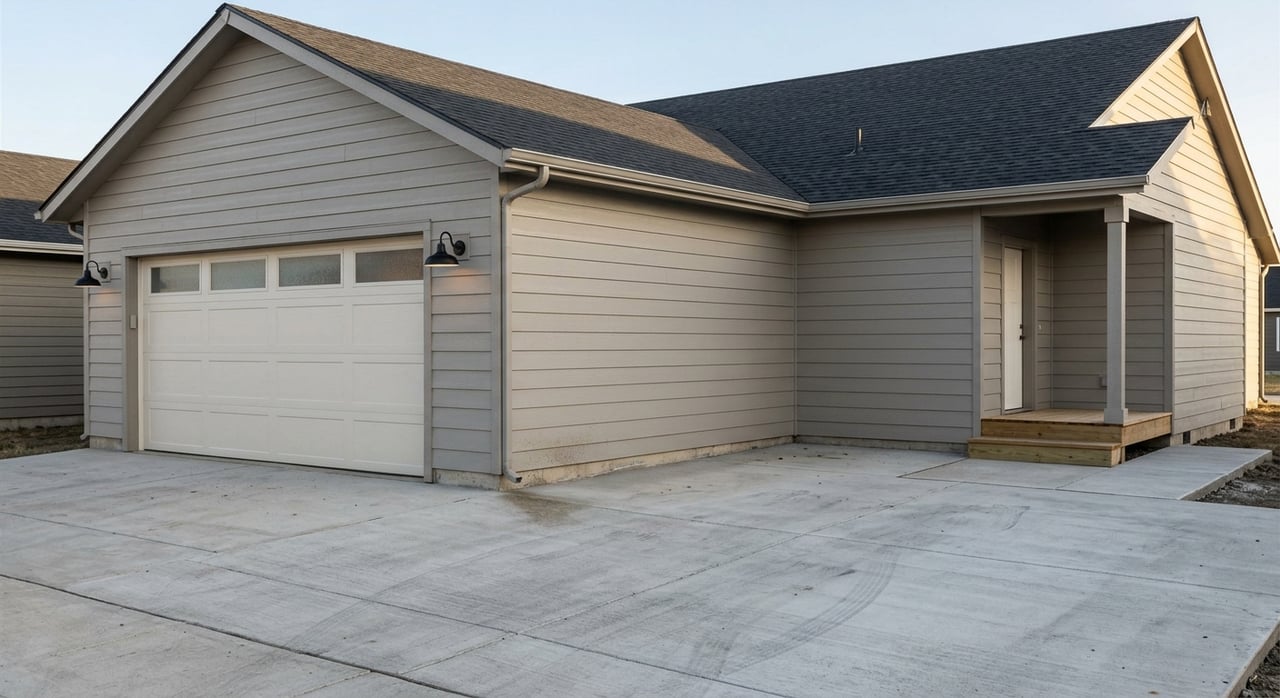
For an investor, that combination matters because it points to durable appeal for tenants who want more space than an apartment can offer. Public listing examples also show a consistent housing pattern: detached homes, attached two-car garages, and practical floor plans that fit everyday living. That kind of housing tends to attract renters looking for a more traditional residential setup.
Housing Stock in Harvest Creek
Most public listing examples in Harvest Creek reflect homes built in the early 2000s, usually in the 1,300 to 2,200 square foot range. Sample homes include 3-bedroom, 2-bath properties around 1,299 square feet and larger 5-bedroom homes around 2,225 square feet, with lots generally around 6,000 to 7,800 square feet, as shown in public listing data.
The subdivision documents also reinforce a more uniform, low-density character. The CC&Rs require minimum residence sizes of 1,300 square feet for single-story homes and 1,550 square feet for two-story homes, along with a double attached garage for single-story homes. For investors, this usually means you are buying into a neighborhood with a fairly consistent product type rather than a mix of condos, townhomes, and small detached homes.
Pricing and Rent Numbers to Know
If you are investing in Harvest Creek, the first step is to understand the broader market context for the 59718 ZIP code. Realtor.com market data reports a median home listing price of $674,900, a median rent of $2,232, and classifies 59718 as a buyer’s market with median days on market of 54 as of March 2026.
On the rental side, the picture is a little more mixed. Zillow’s Bozeman rental trends put the city’s average rent at $2,400, with three-bedroom homes averaging $2,700. Since one source reports a median and the other reports an average, it is best to treat these as a range instead of a precise rent target.
What Gross Yield Looks Like
For many investors, Harvest Creek is not a high-cash-flow play on paper. Using the 59718 median home price and median rent, the gross annual rent works out to about 4.0% of purchase price, based on the Realtor.com figures. Using a $615,000 Harvest Creek sale example and Zillow’s $2,400 average Bozeman rent, the gross yield comes out closer to 4.7%.
Those numbers are helpful for a quick screen, but they are not enough to make a buying decision. They do not include HOA dues, taxes, insurance, repairs, vacancy, turnover costs, or financing. In other words, your real return can look very different once ownership costs are included.
Expenses Can Change the Story
Operating costs matter a lot in this neighborhood. Public tax histories on sample Harvest Creek homes show 2025 property taxes of $3,216, $3,980, and $3,284 on different homes listed in public records. If you are buying with financing, those tax bills can take a meaningful bite out of monthly cash flow.
HOA dues also need close review. Public materials and sample listings show quarterly HOA dues of $75 and $90, but buyers should confirm the exact amount for the property and phase they are considering. Even modest dues matter when you are already underwriting a conservative rental margin.
Rental Demand Still Has Support
The good news is that Bozeman still has meaningful demand drivers behind its rental market. The U.S. Census Bureau reports that Bozeman’s population grew 8.1% from 2020 to 2024. The same source shows that Bozeman has a lower owner-occupied rate than Gallatin County overall, which points to a larger renter share within the city.
HUD adds another important layer. In its Bozeman housing analysis, renter households have been increasing faster than owner households since 2010 and are expected to keep growing through 2028. That trend helps support the case for long-term rental demand, even if the market is no longer in its peak frenzy.
MSU and Bozeman Growth Matter
Montana State University remains part of the long-term rental story in Bozeman. HUD estimates MSU enrollment at about 17,150 students in fall 2024, and more than 90% of those students come from outside the Bozeman housing market area, according to HUD’s local report. That does not mean Harvest Creek is a student-rental neighborhood, but it does support citywide rental demand.
For Harvest Creek specifically, the more relevant tenant profile is likely a household seeking a detached home with a yard, garage, and access to daily amenities. Zillow’s reported $2,700 average rent for three-bedroom homes in Bozeman supports that idea. A neighborhood built around single-family homes can meet a different need than apartments do.
Why Conservative Underwriting Matters
This is where investors need to be careful. HUD reports a 21.2% apartment vacancy rate in Q2 2025 across the Bozeman housing market area, with average apartment rent at $2,171, down 7% year over year, according to its market analysis. That suggests the market has softened from the unusually tight conditions of earlier years.
That does not automatically make Harvest Creek a poor investment. It does mean you should avoid assuming fast rent growth or easy appreciation. HUD also describes the broader Bozeman HMA sales market as balanced, with 6.5 months of supply and an average home price of $885,900 during the 12 months ending May 2025. The practical takeaway is simple: this neighborhood is better viewed as a long-term hold than a quick appreciation bet.
HOA Rules Deserve Extra Attention
In Harvest Creek, HOA review is not a side detail. It is one of the main factors that can affect your plan. The publicly available architectural guidelines emphasize exterior controls and require Architectural Review Board approval for many improvements before work begins.
That matters if you are planning upgrades meant to raise rent or improve utility. The guidelines say sheds must be in rear yards and limited to 120 square feet, white vinyl privacy fences are prohibited, driveway additions that create extra parking are discouraged, and solar panels are allowed only with approval and placement rules. If your strategy includes exterior changes, your timeline and budget should account for HOA review from the start.
Short-Term Rental Limits to Understand
If you are hoping to buy in Harvest Creek and pivot to a vacation-rental model later, take a closer look before moving forward. The research shows Harvest Creek properties are in Bozeman’s R-1 residential single-household low-density district, and the city’s short-term rental rules allow Type 1 STRs in R-1 as accessory uses, while Type 2 STRs are not allowed in R-1 and new Type 3 STRs are prohibited citywide.
That makes Harvest Creek much more of a conventional residential-rental play than an easy short-term-rental conversion. Just as important, the HOA materials reviewed here focus more on exterior controls than leasing policy, so you should confirm current long-term rental rules, pet rules, parking expectations, and any phase-specific restrictions directly with the association.
Who Harvest Creek May Fit Best
Based on the available data, Harvest Creek may make the most sense for buyers who want long-term flexibility rather than maximum short-term yield. That could include someone buying a home today and planning to keep it as a future rental, or an investor who values neighborhood stability and a familiar single-family product type.
It may be less attractive for buyers seeking strong immediate cash flow. Public data points to gross yields in the low-to-mid 4% range before expenses, and the apartment market has softened. In that setting, disciplined underwriting matters more than optimism.
Smart Questions to Ask Before You Buy
Before you invest in Harvest Creek, make sure you can answer these questions clearly:
- What are the current HOA dues for this specific home and phase?
- Are long-term rentals allowed without additional restrictions?
- What parking, pet, and exterior-use rules apply to tenants?
- What are the current property taxes and insurance estimates?
- What rent range is realistic for this exact floor plan and condition?
- If you plan upgrades, which improvements require HOA approval?
- If financing is involved, how does the property perform under conservative vacancy and maintenance assumptions?
A good investment decision usually comes down to clarity, not hype. In Harvest Creek, the opportunity looks strongest when your expectations are realistic and your hold period is long enough to let the property work over time.
If you want help evaluating whether a Harvest Creek home fits your investment goals or future housing plans, Bronson Neff can help you compare options, review local market context, and make a data-driven decision in Bozeman.
FAQs
Is Harvest Creek in Bozeman a good neighborhood for long-term rental investing?
- Harvest Creek can appeal to long-term investors because it offers single-family homes, neighborhood amenities, and access to everyday conveniences, but public data suggests returns should be underwritten conservatively.
What kind of homes are common in Harvest Creek Bozeman?
- Public listings show Harvest Creek is mostly made up of detached single-family homes with attached two-car garages, usually one to two stories, with floor plans often ranging from about 1,300 to over 2,200 square feet.
What rental yield should you expect in Harvest Creek Bozeman?
- Based on the research provided, gross yield screens land in the low-to-mid 4% range before expenses, which means taxes, HOA dues, insurance, repairs, and vacancy can significantly affect actual returns.
Are short-term rentals allowed in Harvest Creek Bozeman?
- Harvest Creek is better viewed as a conventional residential-rental opportunity because properties are in Bozeman’s R-1 district, where Type 1 short-term rentals may be allowed as accessory uses, while Type 2 STRs are not allowed and new Type 3 STRs are prohibited citywide.
What HOA rules matter most for Harvest Creek investment properties?
- Buyers should pay close attention to approval requirements for exterior improvements, along with rules affecting sheds, fences, driveway changes, solar panels, parking expectations, and any current leasing policies.
What makes Harvest Creek different from an apartment investment in Bozeman?
- Harvest Creek’s single-family homes may appeal to renters who want features like yards, garages, and more living space, while the broader apartment market data shows softer conditions and higher vacancy than many buyers expect.
