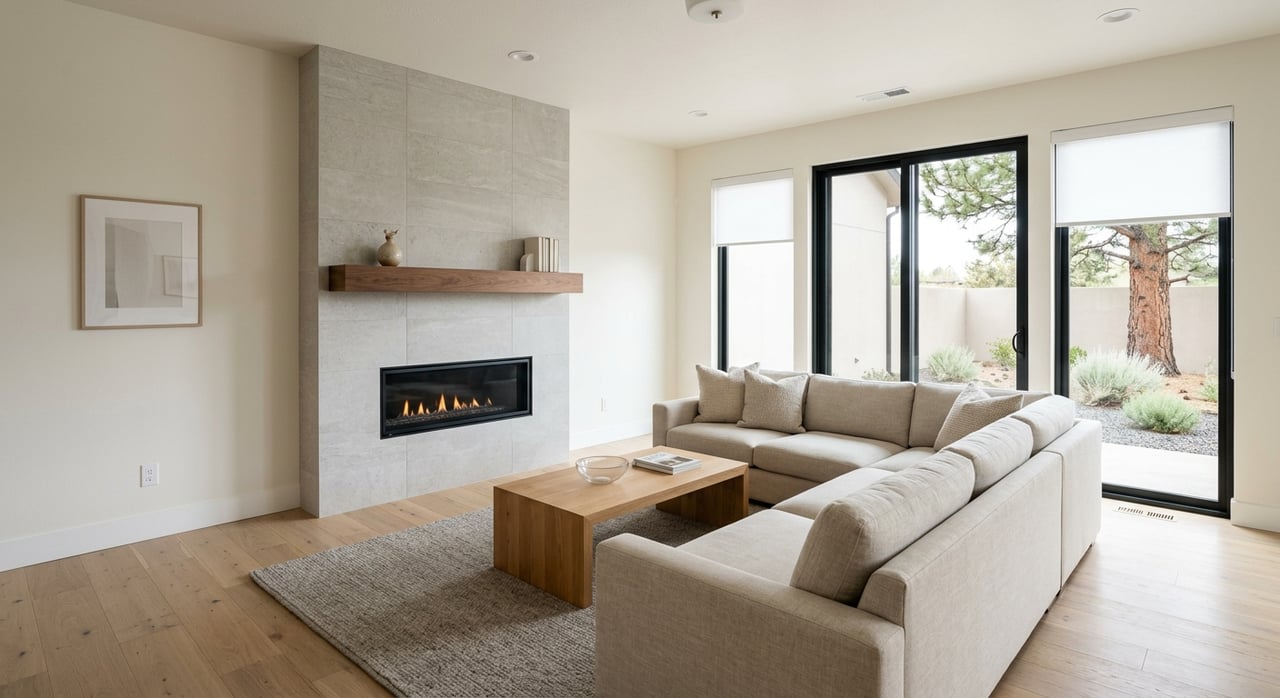
If you already live in Harvest Creek, you may be asking a very specific question: should you make your next move within the neighborhood or look elsewhere nearby? Whether you need more space, less upkeep, or a better fit for your current season of life, moving up or downsizing inside the same community can be both practical and surprisingly complex. This guide will help you think through timing, costs, HOA details, and the sell-and-buy process so you can plan your next step with more confidence. Let’s dive in.
Why stay in Harvest Creek?
Harvest Creek offers a setting many owners do not want to leave behind. According to the Harvest Creek HOA, the neighborhood includes 525 single-family residences in Bozeman with convenient access to shopping, downtown, the airport, and local trail connections.
For many homeowners, that familiarity matters just as much as square footage. The neighborhood also includes a city-owned playground, basketball court, and walking trails connected to the Main Street to the Mountains trail system, and the City of Bozeman separately lists Harvest Creek Park with a playground, basketball, open grass area, and a dog station. If your goal is to change homes without changing your daily rhythm, staying in Harvest Creek can make a lot of sense.
Move-up or downsize goals
When moving up makes sense
A move-up home often becomes the focus when your current layout no longer fits how you live. You may want more bedrooms, a different floor plan, more storage, or updated finishes that reduce the need for immediate projects after closing.
In a neighborhood you already know, moving up can be simpler because you understand the location, traffic patterns, access points, and HOA structure. That can remove some uncertainty and help you focus on the home itself instead of learning an entirely new area.
When downsizing makes sense
Downsizing is not always about giving something up. In many cases, it is about trading unused space for easier maintenance, lower carrying costs, or a layout that better matches your current priorities.
If your goal is a simpler ownership experience, it helps to compare not just home size but also ongoing costs. That includes mortgage payment, taxes, insurance, utilities, repair expectations, and any HOA dues or community-related expenses that continue after the move.
Understand the current market backdrop
If you are moving within Harvest Creek, you are both a seller and a buyer. That means your decision should be grounded in how the broader Bozeman and Gallatin County market is behaving now, not how it felt a few years ago.
HUD’s June 1, 2025 Bozeman housing market analysis labeled the home-sales market balanced and reported 6.5 months of inventory. More recent data cited in that market backdrop show a March 2026 median sale price of $665,000 in Bozeman and $654,245 in Gallatin County, with average days on market of 78 and 100, respectively, and 0.0% of homes sold above list price in both markets.
The practical takeaway is straightforward. Homes still carry significant value, but sellers may need stronger pricing discipline and more patience than they did in a faster, more aggressive market. If you are planning to sell and buy at the same time, realistic expectations on both sides of the transaction matter.
Plan the sell-and-buy sequence
One of the biggest questions in a same-neighborhood move is not whether to move. It is how to sequence the sale and purchase so your equity, timing, and stress level stay manageable.
Selling first
The Consumer Financial Protection Bureau says buyers who want to move will normally try to sell their current home before buying another one. This approach can give you a clearer picture of how much equity you have available for your next down payment, closing costs, and reserves.
It can also reduce the risk of carrying two housing payments at once. That matters because your budget should include more than the next mortgage payment. CFPB notes that you should also plan for closing costs, moving costs, repairs, insurance, taxes, and HOA dues.
Buying first
Buying first can make sense if the right property becomes available before your current home is under contract. In that case, financing and timing tools become especially important.
The National Association of Realtors notes that bridge loans can help buyers purchase before selling by avoiding a home-sale contingency in some situations. Qualification still depends on factors like equity, income, credit, and overall financial profile, so this is a strategy to review carefully before you write an offer.
Contract tools that can reduce risk
A same-community move often depends on contract structure as much as price. The right contingency or timing clause can create flexibility without leaving either side guessing.
According to NAR’s consumer guide to real estate contract contingencies, the most relevant tools can include:
- Financing contingencies
- Appraisal contingencies
- Inspection contingencies
- Home-sale contingencies
- Home-close contingencies
- HOA contingencies
- Kick-out clauses
- Rent-back clauses
A home-sale contingency gives you time to sell your current home before moving forward on the next one. A home-close contingency allows you to wait for your current sale to actually close. A rent-back can help if you need extra time in your current home after closing, while a kick-out clause may allow the seller to keep marketing the property if your offer depends on another event.
The key is clarity. NAR notes that these terms need specific timelines, and the deal may be canceled if deadlines are not met. In a neighborhood like Harvest Creek, where both parties may understand the community well, clean and precise contract planning can make the transaction much smoother.
Budget for the full cost of moving
Many homeowners focus on sale price and purchase price, but the real question is your net position after all costs. That is especially important if you are moving up and stretching your budget, or downsizing with the goal of freeing up cash flow.
Freddie Mac says seller closing costs often include commissions, taxes, and fees. It estimates real estate commission at 3% to 8% of sale price and other fees and taxes at 2% to 4%.
Before you decide, it helps to build a simple side-by-side budget that includes:
- Expected sale price of your current home
- Mortgage payoff amount
- Estimated seller closing costs
- Estimated cash available after closing
- Down payment for the next home
- Buyer closing costs
- Moving expenses
- Immediate repair or update needs
- Ongoing costs like insurance, taxes, utilities, and HOA dues
This kind of planning gives you a better answer than square footage alone ever will. It shows whether the move supports your broader goals, not just your short-term wish list.
Compare homes beyond size
If you are deciding between a newer Harvest Creek home and an older nearby property, your comparison should go deeper than bedroom count and list price. Efficiency, maintenance, and update needs can shape your monthly costs and your day-to-day comfort.
Newer-home considerations
The U.S. Department of Energy says certified new homes are built to high performance standards for energy savings, comfort, health, and durability. DOE also notes that heat gain and loss through windows account for 25% to 30% of residential heating and cooling energy use.
That means it is worth paying attention to details like insulation, air sealing, and window quality. Even if two homes look similar on paper, one may offer lower operating costs and a different comfort level through the seasons.
Older-home considerations
With an older home, due diligence becomes even more important. CFPB recommends scheduling an independent home inspection as soon as possible so you have time to identify major issues and negotiate or cancel if your contract allows.
The EPA also requires lead-based paint disclosures for homes built before 1978, and renovation or repair work in pre-1978 homes must follow lead-safe work practices. If you are considering an older property with more original finishes or a longer update list, make sure you understand those responsibilities before closing.
HOA details matter in Harvest Creek
When you move within an HOA-governed neighborhood, you are not just changing homes. You are also stepping into a specific ownership structure that can affect dues, exterior changes, maintenance expectations, and closing documents.
The Harvest Creek HOA says it provides governing documents including covenants and bylaws, along with homeowner information on dues payment, late fees, lawn maintenance, and snow removal. The HOA also notes that the association is self-managed by homeowners who live in the neighborhood, which makes document review and process timing especially relevant during a sale or purchase.
Before you buy, review the HOA materials carefully rather than assuming future changes will be simple. The HOA explains that covenants are deed-based limitations and bylaws govern the association itself, so your ownership experience may differ in meaningful ways from a non-HOA home nearby.
A smart path for your next move
If you are moving up or downsizing within Harvest Creek, the best plan usually comes down to three things: realistic pricing, a clear timing strategy, and a strong understanding of your total costs. In a balanced market, that kind of preparation can help you protect your equity and avoid avoidable stress.
A local move may feel simpler because you already know the neighborhood, but the details still matter. If you want help mapping out timing, pricing, or the best options for your next step in Harvest Creek, Bronson Neff can help you build a practical plan for your Bozeman move.
FAQs
What does moving up within Harvest Creek usually mean?
- Moving up within Harvest Creek usually means selling your current home and buying another home in the same neighborhood that better fits your needs, often with more space, a different layout, or newer features.
What does downsizing within Harvest Creek involve?
- Downsizing within Harvest Creek usually involves moving to a smaller or easier-to-maintain home in the same neighborhood while reviewing the full financial picture, including closing costs, insurance, taxes, utilities, and HOA dues.
Is the Bozeman market favorable for a Harvest Creek move right now?
- Current research points to a balanced Bozeman market, with 6.5 months of inventory in HUD’s 2025 analysis and longer average days on market reported in 2026 data, which suggests realistic pricing and careful timing are important.
What contract terms can help with buying and selling in Harvest Creek at the same time?
- Common tools for a Harvest Creek same-time move can include home-sale contingencies, home-close contingencies, inspection and financing contingencies, kick-out clauses, rent-back agreements, and HOA contingencies.
Why should Harvest Creek buyers review HOA documents before closing?
- Harvest Creek buyers should review HOA documents before closing because the community is HOA-governed, and the covenants, bylaws, dues, maintenance expectations, and approval processes can affect ownership and future plans for the property.
